
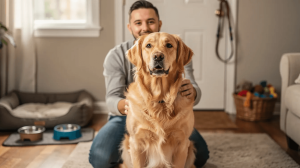
Bringing home a dog is exciting, but successful ownership requires more than food, toys, and good intentions. This first-time dog owner guide explains how to choose an appropriate dog, prepare your home, arrange veterinary care, establish a routine, begin training, and respond to common challenges.
The guidance is written for new dog owners in and around Syracuse, NY, although most of it applies anywhere. For local training support, Off Leash K9 Training of Syracuse offers puppy, obedience, private-lesson, and residential options based on age, behavior, and training goals.
Responsible ownership begins before the dog arrives. You need to consider whether your schedule, housing, finances, household, and long-term plans can support another living being throughout its life.
Understanding the Commitment of Dog Ownership
The American Veterinary Medical Association’s responsible pet ownership guidance identifies nutritious food, clean water, suitable housing, veterinary care, exercise, companionship, socialization, and training as fundamental responsibilities.
A dog may be part of your family for well over a decade. During that time, its needs will change from puppyhood through adulthood and the senior years.
Before bringing home a dog, consider:
- Whether everyone in the household agrees with the decision
- How daily feeding, walking, bathroom breaks, and training will be handled
- Whether your housing permits dogs
- How travel, work schedules, and emergencies will be managed
- Whether children or other animals live in the home
- Whether you can afford routine and unexpected care
- Who will care for the dog if your circumstances change
A dog requires consistent care even during busy workweeks, bad weather, illness, travel, and major life changes.
Time, Exercise, and Companionship
Exercise needs vary by age, health, breed traits, physical condition, and the individual dog. A growing puppy, active adolescent, mature adult, and senior dog may need very different routines.
Ask your veterinarian what activity is appropriate, especially if the dog is young, elderly, overweight, recovering from an injury, or living with a health condition.
An apartment does not automatically require a small dog, and apartment dogs do not necessarily need less exercise. Temperament, energy level, noise sensitivity, bathroom needs, and your ability to provide walks and enrichment matter more than size alone.
If your schedule keeps you away for long periods, arrange appropriate bathroom breaks, exercise, companionship, and supervision. Depending on the dog, this may involve a trusted caregiver, dog walker, or suitable daycare. Training does not replace ongoing daily care.
Building a Realistic Dog Budget
Costs vary significantly, so avoid relying on one universal estimate.
Plan for:
- Adoption or breeder-related expenses
- Veterinary examinations and vaccinations
- Parasite prevention
- Spaying or neutering when appropriate
- Food and treats
- Licensing and identification
- Grooming and dental care
- Collar, harness, leash, crate, bedding, and toys
- Training
- Pet care during travel or long workdays
- Emergency veterinary treatment
- Pet insurance or a dedicated emergency fund
Review your household budget before committing. A dog’s veterinary or behavioral needs can change unexpectedly.

Choosing the Right Dog for Your Life
The right dog is not necessarily the smallest, cutest, calmest at the shelter, or most popular breed online. Look for a dog whose needs you can realistically meet.
The AVMA’s dog-selection guidance recommends considering the dog’s expected size, activity level, grooming needs, temperament, and compatibility with your household.
Breed Traits and Individual Personality
Breed history can offer clues about energy, vocal behavior, grooming, herding, retrieving, guarding, or prey drive. It cannot predict every individual dog’s behavior.
Consider:
- Adult size and strength
- Energy and exercise needs
- Noise and barking tendencies
- Grooming and shedding
- Trainability and motivation
- Comfort around children or animals
- Sensitivity to noise or busy environments
- Housing or insurance restrictions
Mixed-breed dogs can also inherit strong behavioral and physical traits. Evaluate the individual dog rather than assuming a mix will automatically be easier.
Puppy or Adult Dog?
Puppies need frequent bathroom opportunities, close supervision, safe chewing outlets, rest, veterinary care, and positive early socialization. They may nip, chew, vocalize, and have accidents while learning household routines.
Adult dogs offer more information about size and developed behavior, and some may already have useful household skills. However, their history may be complete, partial, or unknown.
Ask a shelter, rescue, foster home, or breeder about:
- Health records
- Observed temperament
- House-training
- Comfort with handling
- Behavior around adults, children, and animals
- Known fears or triggers
- Energy level
- Previous training
- Adjustment needs
Behavior can change after a dog enters a new environment, so allow time for observation and adjustment.
Shelter, Rescue, or Breeder?
A responsible shelter or rescue should share available health and behavior information and help evaluate household compatibility.
If you choose a breeder, look for:
- Appropriate health screening for the breed
- Clean and humane living conditions
- Opportunities to meet the puppy and, when possible, its mother
- Transparent answers about health and temperament
- Veterinary documentation
- A written contract
- A policy requiring the dog to be returned rather than abandoned if the placement fails
Avoid sellers who will not provide records, pressure you into a quick purchase, or refuse to discuss health testing and living conditions.
Preparing Your Home Before Your Dog Arrives
Preparing in advance reduces preventable hazards and makes supervision easier.
Dog-Proofing Checklist
Secure or remove:
- Electrical cords
- Medications
- Household cleaners
- Trash
- Toxic plants
- Human food
- Small objects that can be swallowed
- Children’s toys
- Clothing and shoes
- Sharp tools
- Breakable items
- Accessible food on counters
- Open stairways or unsafe rooms
Antifreeze is particularly dangerous because ethylene glycol is highly toxic. Store automotive fluids securely and clean spills immediately. If you suspect poisoning, contact a veterinarian or ASPCA Poison Control at (888) 426-4435. A consultation fee may apply.
Use gates, closed doors, or exercise pens to limit access while the dog learns household routines.
Creating a Safe Rest Area
A properly introduced crate or gated area can support rest, supervision, travel preparation, and house training.
The area should:
- Be large enough for the dog to stand, turn, and lie down comfortably
- Have appropriate ventilation
- Be free from collars, cords, or objects that could become caught
- Include safe bedding when appropriate
- Be associated with calm, positive experiences
- Never be used for punishment or excessive confinement
Some dogs need a gradual crate-training process. If the dog panics, injures itself, drools heavily, or cannot settle, seek professional guidance.
Essential Supplies
Prepare:
- Appropriately fitted collar or harness
- Identification tag
- Sturdy leash
- Food and water bowls
- Age-appropriate food
- Crate or safe confinement area
- Bed or washable mat
- Enzymatic cleaner
- Poop bags
- Safe chew toys
- Food-dispensing or enrichment toys
- Grooming supplies appropriate for the coat
- Veterinary and vaccination records
- Emergency contact information
Ask your veterinarian before making major dietary changes. The AAHA nutrition guidelines emphasize individualized nutritional recommendations based on life stage, body condition, health, and other risk factors.
Veterinary Care, Identification, and Local Requirements
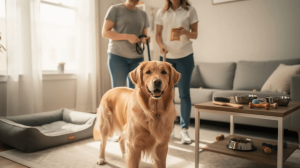
Arrange a veterinary appointment soon after bringing the dog home, particularly if health records are incomplete.
Discuss:
- Physical examination
- Vaccination schedule
- Parasite prevention
- Nutrition and body condition
- Dental care
- Spaying or neutering
- Microchipping
- Exercise
- Behavior
- Grooming
- Emergency care
AAHA recommends using life stage, health, lifestyle, and risk to guide preventive care rather than relying on one identical schedule for every dog. Veterinary wellness visits are also appropriate times to discuss nutrition, exercise, training, and behavior.
Identification and Licensing in Syracuse
Use both a visible identification tag and a registered microchip when possible. Update your contact information whenever you move or change phone numbers.
Dogs living within the City of Syracuse must have a valid license. Review the city’s current dog-licensing information for application options and requirements.
Owners outside city limits should check the rules for their municipality.
Your Dog’s First Days at Home
The early adjustment period should focus on safety, observation, predictable routines, and trust.
Start With a Manageable Routine
Create consistent times for:
- Bathroom trips
- Meals
- Walks
- Play
- Short training sessions
- Rest
- Bedtime
Avoid filling the first few days with visitors, crowded events, dog parks, and constant activity. Some dogs explore immediately; others need more time before they feel comfortable.
Introduce short, positive periods of alone time gradually and watch for signs of distress. This can help a dog learn to settle independently, but it does not guarantee prevention of separation-related behavior.
Establish Clear Household Rules
Agree in advance on:
- Furniture access
- Sleeping locations
- Feeding responsibilities
- Door and greeting rules
- Table-food rules
- Who handles walks and training
- How children interact with the dog
Consistency helps the dog understand what earns access, attention, play, or food.
Introduce Children and Other Animals Carefully
Supervise interactions between dogs and children. Children should not hug, climb on, corner, wake, or take food and toys from a dog.
Give the dog a quiet retreat that children cannot enter.
For dog-to-dog or dog-to-cat introductions:
- Use barriers and leashes where appropriate
- Keep early sessions brief
- Avoid forcing close contact
- Provide cats with elevated escape routes
- Separate animals during feeding
- Watch body language
- Seek professional help if either animal displays intense fear or aggression
Training Basics for First-Time Dog Owners
Training can begin immediately with simple, age-appropriate lessons.
Useful early skills include:
- Name response
- Come
- Sit
- Down
- Place or mat training
- Loose-leash walking
- Leave It
- Drop It or Out
- Off
- Calm greetings
- Door manners
- Comfortable handling for grooming and veterinary care
Train in short sessions and begin in a quiet environment. Reinforce desired behavior with food, play, praise, or access to something the dog values.
As the dog improves, gradually add distance, duration, and distractions.
For structured local options, review the Syracuse dog obedience training programs. Program curricula, age requirements, equipment, and eligibility vary.
Socialization Without Overwhelming Your Dog
Socialization is more than allowing dogs to play. It involves positive, controlled exposure to people, animals, surfaces, sounds, handling, travel, and environments.
The AVMA recommends rewarding positive or neutral engagement, allowing an uncomfortable animal to withdraw, and adjusting distance or intensity when needed.
Appropriate experiences might include:
- Watching people from a comfortable distance
- Walking on different safe surfaces
- Hearing household and outdoor sounds at manageable levels
- Calm handling of paws, ears, and mouth
- Short car rides
- Carefully selected interactions with healthy, compatible dogs
- Visiting an appropriate puppy class after discussing disease risk with your veterinarian
Do not force greetings or place a frightened puppy in the middle of a crowded environment. Positive exposure is more important than the number of experiences.
Adult dogs can also learn to become more comfortable with new situations, although the process may require additional time and management.
Working Toward Off-Leash Skills Safely
Reliable recall begins on a leash or long line in a controlled environment.
A practical progression is:
- Teach the recall cue indoors.
- Practice on a standard leash.
- Use a long line in a safe open area.
- Add distractions gradually.
- Practice in securely fenced areas.
- Follow local leash rules in public spaces.
No level of training eliminates every risk. Traffic, wildlife, fear, pain, and unexpected events can affect behavior. Do not allow a dog off-leash where it is unsafe or prohibited.
Training equipment and methods vary by program and dog. Understand the purpose, fit, operation, risks, and reinforcement plan for any equipment before using it.

Common First-Time Dog Owner Challenges
Housetraining Accidents
Young puppies generally need frequent bathroom opportunities, including:
- After waking
- After eating or drinking
- After active play
- Before and after confinement
- Before bedtime
Supervise closely, reward outdoor elimination promptly, and use an enzymatic cleaner for accidents.
Do not punish a dog after an accident. If a previously house-trained dog suddenly begins having accidents or shows straining, pain, increased thirst, or frequent urination, contact a veterinarian.
Leash Pulling
Begin in a low-distraction location. Reward the dog for staying near you and for creating slack in the leash.
If the leash becomes tight, stop or change direction rather than allowing pulling to move the dog toward its goal. Keep early training walks short enough for the dog and owner to remain successful.
If you are considering specialized equipment, ask a qualified professional to explain its purpose, fit, risks, and use. Equipment should not replace teaching leash skills.
Jumping and Mouthing
Jumping often continues because it gains attention. Teach and reinforce an alternative such as four paws on the floor, Sit, or Place.
For puppy mouthing:
- Provide appropriate chew toys
- Redirect to a toy
- Pause play when biting becomes too hard
- Make sure the puppy receives enough rest
- Avoid rough hand play that encourages grabbing
Sudden, intense, or injurious biting requires professional assessment.
Barking, Fear, Reactivity, and Aggression
Barking, lunging, growling, freezing, staring, snapping, or sudden changes in body tension can indicate fear, frustration, arousal, reactivity, or aggression.
Raised hackles indicate arousal but do not, by themselves, prove aggression. Evaluate the full situation and body language.
If your dog reacts:
- Increase distance from the trigger
- Do not force a greeting
- Use secure management
- Avoid punishment that intensifies fear or arousal
- Record the situation, distance, and trigger
- Contact a veterinarian if the behavior appears suddenly
- Seek qualified behavioral help for repeated or serious incidents
Dogs with resource guarding, bites, repeated lunging, or aggression may need coordinated veterinary and behavioral support. Complete correction cannot be guaranteed, and ongoing management may remain necessary.
Syracuse-Specific Safety Considerations
Central New York weather creates additional responsibilities.
Winter
- Protect paws from ice, salt, and deicing chemicals.
- Wipe and inspect paws after walks.
- Keep antifreeze inaccessible.
- Consider visibility gear during dark morning or evening walks.
- Adjust outdoor activity during dangerous cold or ice.
Summer
- Avoid strenuous exercise during extreme heat.
- Check pavement temperature.
- Provide water and shade.
- Never leave a dog unattended in a parked vehicle.
Year-Round
- Use identification and keep microchip information current.
- Follow leash and licensing rules.
- Secure dogs around doors and vehicles.
- Keep veterinary and poison-control numbers available.
When to Seek Professional Help
Contact a veterinarian for:
- Sudden behavior changes
- Pain
- Appetite or thirst changes
- Repeated vomiting or diarrhea
- Urinary changes
- Lethargy
- Suspected poisoning
- Injuries
- Signs of illness
Consider a qualified trainer or behavior professional for:
- Persistent housetraining problems after medical causes are excluded
- Severe pulling or unsafe handling
- Destructive separation-related behavior
- Resource guarding
- Intense fear
- Repeated reactivity
- Bites or attempted bites
- Difficulty introducing household animals
- Training goals beyond your experience
You can review current programs and eligibility before selecting a Syracuse training option. Program suitability depends on age, health, temperament, behavior history, and goals.
Next Steps for New Dog Owners
Before bringing your dog home:
- Confirm that your housing and schedule are appropriate.
- Prepare a realistic care and emergency budget.
- Select a veterinarian.
- Dog-proof your home.
- Purchase essential supplies.
- Create a feeding, bathroom, exercise, and rest schedule.
- Decide on consistent household rules.
- Arrange licensing and identification.
- Identify a suitable training plan.
- Save emergency veterinary and poison-control contacts.
If you would like help comparing Syracuse puppy, obedience, private, or residential training options, call (315) 401-0045 or request a free consultation.
Frequently Asked Questions for First-Time Dog Owners
What should a first-time dog owner do first?
Begin by evaluating your schedule, housing, budget, household, and long-term ability to care for a dog. Then research compatible dogs, select a veterinarian, prepare your home, and purchase essential supplies before bringing the dog home.
Is a puppy or adult dog better for a first-time owner?
Neither is universally better. Puppies require frequent supervision, housetraining, socialization, and foundational training. Adult dogs may offer more information about size and developed behavior. The better choice depends on the individual dog and the owner’s schedule, experience, and household.
When should I start training my new dog?
Begin simple, age-appropriate training when the dog arrives. Focus first on name response, bathroom routines, calm handling, household boundaries, recall foundations, and leash skills. Keep sessions short and adjust expectations to the dog’s age and adjustment level.
How much exercise does a dog need?
Exercise needs depend on age, health, physical condition, breed traits, and the individual dog. Ask your veterinarian for guidance rather than relying on one universal time requirement.
How long can a new dog be left alone?
There is no single safe duration for every dog. Age, health, bathroom needs, previous experience, and separation-related behavior all matter. Puppies generally require more frequent care than healthy adult dogs. Arrange help when your schedule exceeds the dog’s needs.
How do I know if my dog needs professional training?
Consider professional help when safety is a concern, progress has stalled, behavior is worsening, or you are unsure how to proceed. Bites, aggression, resource guarding, intense fear, or sudden behavioral changes may also require veterinary involvement.
