
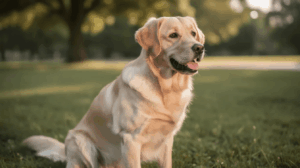
Dogs communicate through body language, vocalizations, scent, and other cues, with body language playing an especially important role. Behaviors commonly described as dog calming signals include lip licking, yawning, looking away, and head turning. Depending on the context, these behaviors may be associated with stress, uncertainty, appeasement, avoidance, or social communication rather than having one fixed meaning.
This guide covers the recognition, interpretation, and appropriate response to canine body-language signals for dog owners in Syracuse and beyond. Whether you’re navigating training sessions, introducing your dog to new people, or managing interactions with other dogs, understanding body language can help you make more informed decisions about when to continue, pause, or create additional space. For information about local training options, visit Syracuse Dog Training.
If your dog is displaying serious fear, reactivity, or aggression, professional training for reactive, fearful, or aggressive dogs may be appropriate, along with veterinary guidance when medical or behavioral health concerns are involved.
The term dog calming signals is commonly used for behaviors such as lip licking, yawning, head turning, looking away, and sniffing that may occur during social interactions or stressful situations. Turid Rugaas described more than 30 such behaviors, but this should not be treated as a scientifically fixed canine vocabulary. Looking at several signals together, along with posture and context, can provide stronger evidence of stress or discomfort than interpreting a single behavior in isolation.
By the end of this article, you will understand how to:
- Recognize common behaviors associated with stress, avoidance, appeasement, and social communication
- Interpret body-language signals in context rather than assigning each behavior one fixed meaning
- Respond appropriately when your dog appears uncomfortable or overwhelmed
- Improve communication by paying closer attention to your dog’s body language
- Apply these observations during training, socialization, and everyday interactions
Understanding Dog Calming Signals
The term calming signals was popularized by Norwegian dog trainer Turid Rugaas through her observations of canine behavior and her book On Talking Terms with Dogs: Calming Signals. Rugaas described more than 30 behaviors that she interpreted as ways dogs may reduce social tension or communicate non-threatening intent.
Modern interpretation should be more cautious. Many of the behaviors on that list are also described by veterinary and behavior professionals as stress, appeasement, displacement, avoidance, or social signals. Their meaning depends on the dog’s overall posture, environment, previous behavior, and what happens immediately before and after the signal. A single yawn, lick, or head turn does not provide direct access to a dog’s emotional state.
Why Dogs Use These Behaviors
Dogs use a wide range of visual behaviors during social interactions. A 2017 pilot study on canine calming signals involving 24 dogs found that behaviors classified as calming signals occurred more often during dog-to-dog interactions than when dogs were not interacting, and several were observed more frequently with unfamiliar dogs. The findings suggest that some of these behaviors may have communicative and de-escalating functions, although the study was preliminary.
Some dogs also display subtle stress or avoidance behaviors before more obvious warnings such as growling, barking, or snapping, but there is no universal sequence that every dog follows. Lip licking, looking away, slowing down, or changing body position may provide useful information when interpreted alongside the dog’s full body language.
Freezing deserves particular caution because sudden stiffness or stillness can indicate significant stress and may precede an aggressive response.
Some behaviors commonly labeled as calming signals may also occur as displacement or stress-related responses rather than deliberate communication. For example, yawning can occur during stressful situations, but it can also result from tiredness, anticipation, or other causes.
A 2026 Journal of Veterinary Behavior study on canine stress during veterinary visits found that dogs showed both behavioral and physiological stress responses during veterinary visits, with clinical examination producing the strongest responses in the study sample. Behavioral and physiological measures complemented each other but did not always align.
The Importance of Early Recognition
Recognizing early signs of discomfort can help owners respond before a situation becomes more difficult. Not every dog progresses through the same warning sequence, and stress signals do not inevitably lead to aggression. However, repeatedly increasing pressure when a dog is already showing fear or discomfort can increase the risk of defensive behavior.
Research also shows that people can misinterpret canine behavior. A study of 386 dog owners and household-noise responses found that some owners underestimated their dogs’ fear responses to common household noises. In a separate study involving 236 adults, participants correctly matched behavioral descriptors to their definitions an average of 50% of the time for a veterinary behavior-assessment set and 33% for a shelter set.
These findings reinforce the importance of considering the dog’s entire body, the context, and changes from that individual dog’s normal behavior rather than relying on one label or gesture.

Types of Dog Calming Signals and Stress-Related Behaviors
Behaviors commonly discussed as calming or stress-related signals can appear through facial movements, body posture, movement patterns, displacement behavior, and avoidance.
Context is essential because the same action can mean different things in different situations. In the 2017 pilot study of canine visual communication, researchers recorded 2,130 behaviors classified as calming signals across 24 dogs and found more of them during encounters with unfamiliar dogs than familiar dogs.
Head and Face Signals
- Yawning: Yawning can occur when a dog is tired, but it may also appear during stress, excitement, or socially intense situations. Repeated yawning combined with other tension-related body language deserves attention.
- Lip or nose licking: A quick tongue flick can occur with food or normal grooming, but when unrelated to eating, it may be associated with anxiety, stress, or appeasement.
- Head turning or looking away: Dogs may turn their heads or avert their gaze when uncomfortable or during social interactions. The 2017 pilot study found head turning significantly more often during interactions with unfamiliar dogs.
- Soft eyes and blinking: Soft eyes are generally associated with a more relaxed expression. Blinking can have different meanings depending on context and should not automatically be treated as a stress signal.
- Whale eye: Showing more of the whites of the eyes can accompany anxiety, fear, guarding, or other tension and should be interpreted with the rest of the dog’s posture.
For an accessible overview of subtle canine anxiety behaviors, the UC Davis School of Veterinary Medicine summary on household noises and dog stress discusses behaviors including lip licking, head turning, stiffening, trembling, and retreating.
Body and Posture Signals
- Freezing or sudden stiffness: A dog that becomes abruptly still or rigid may be experiencing significant stress, uncertainty, fear, or conflict. Treat freezing seriously and avoid forcing further interaction.
- Paw lifting: A lifted paw can accompany uncertainty or stress, but it may also occur for other reasons, including learned behavior or physical discomfort.
- Shaking off: Dogs sometimes perform a full-body shake after excitement, restraint, social interaction, or other arousing experiences. Consider what happened immediately before the behavior rather than assuming one specific emotional function.
- Lowered posture: Crouching, lowering the body, or tucking the tail can accompany fear, uncertainty, or attempts to avoid social pressure.
Movement Signals
- Moving slowly: Slower movement may occur during uncertainty or socially intense situations, but it can also have ordinary physical or environmental causes.
- Curved approaches: Dogs sometimes approach one another along an arc rather than directly. A curved approach may reduce the intensity of a social encounter, but individual dogs and circumstances vary.
- Ground sniffing: Sniffing is normal dog behavior. In some contexts, especially when it appears suddenly during a tense interaction, it may function as displacement or avoidance behavior.
- Moving away: Creating additional distance is an especially important signal to respect. A dog repeatedly moving away from a person or another dog may not want the interaction to continue.
Broader Behavioral Signals
Dogs may also show broader behavioral patterns that provide useful context:
- Displacement behaviors: Actions such as sudden sniffing or scratching can sometimes appear during uncertainty or stress, although they also occur during normal daily behavior.
- Avoidance behaviors: Looking away, moving away, hiding, or increasing physical distance may indicate that a dog does not want to continue an interaction.
- Play behavior: A play bow primarily functions as an invitation to play and should not automatically be classified as a stress signal.
When a dog repeatedly tries to create distance, respect that choice whenever it is safe to do so rather than forcing interaction.
Recognizing and Responding to Calming Signals in Real Situations
Understanding body language becomes especially useful during everyday activities such as neighborhood walks, grooming, veterinary visits, introductions, and training sessions. Watching for changes in posture and behavior can help you decide whether your dog is ready to continue or needs an easier setup.
Owners who need additional help can review available professional dog training services or explore private dog training in Syracuse for more individualized instruction.

Common Situations Where These Signals Appear
- During training: Yawning, lip licking, looking away, slowing down, or disengaging may suggest that the exercise is becoming difficult or stressful, especially when several signals appear together.
- When meeting new people: Fast, direct approaches, looming, prolonged staring, or unwanted handling can make some dogs uncomfortable. Watch the entire body for stiffness, avoidance, lip licking, tucked posture, or attempts to move away.
- During dog-to-dog encounters: The 2017 Mariti et al. pilot study found more behaviors classified as calming signals during unfamiliar dog pairings. When such behaviors followed an aggressive interaction, the other dog’s aggressive display decreased in 79.4% of those observed sequences. Because this was a small pilot study, the result should not be treated as a guarantee that these behaviors will prevent aggression.
- At veterinary visits or grooming appointments: Some dogs show stress during unfamiliar handling or restraint. A 2026 veterinary clinic study identified lip licking, trembling, and tail tucking among frequent behavioral stress indicators.
- During loud or tense household situations: Some dogs may react to raised voices, sudden movements, or other environmental changes by showing avoidance or stress-related body language. Research on dogs’ responses to common household noises provides additional examples of fear- and stress-related behaviors.
Appropriate Response Guidelines
| Signal or Pattern Observed | Immediate Response | Longer-Term Approach |
| Repeated yawning or lip licking during training | Pause and assess the dog’s overall posture; make the exercise easier if stress appears likely | Use shorter, clearer training steps and increase difficulty gradually |
| Turning away or moving from a visitor | Stop the person from pursuing the dog and allow more distance | Use gradual, controlled introductions and let the dog approach voluntarily |
| Sudden sniffing or disengagement on a walk | If safe, slow down and assess what is happening nearby | Identify recurring triggers and adjust distance or difficulty |
| Freezing when approached | Stop the approach and create space; do not force interaction | If freezing occurs repeatedly around people or dogs, seek qualified professional guidance |
When your dog’s overall body language suggests discomfort, reducing unnecessary pressure and increasing distance can support safer interactions. Responding consistently to avoidance and stress signals may also help your dog learn that they do not need to remain in unwanted interactions.
Body-language awareness can reduce misunderstandings, but it cannot guarantee that fear, reactivity, or aggression will not occur.
Common Challenges and Solutions
Calming signals and other stress-related behaviors are frequently misunderstood because they overlap with normal, everyday behavior. Recognizing the difference requires attention to context and to the individual dog.
Mistaking Normal Behavior for Stress Signals
A dog may yawn because it is tired and may lick its nose after eating. The key is context: when does the behavior occur, what is happening in the environment, and are other changes in posture or behavior appearing at the same time?
One isolated behavior may provide little information, while several stress-related behaviors appearing during an uncomfortable interaction deserve closer attention. Observe timing and the dog’s entire body rather than assuming every yawn, lick, or sniff is a calming signal.
Assuming Disobedience Instead of Considering Stress
When a dog slows down, disengages, or begins sniffing during training, avoid assuming the dog is simply being stubborn. The behavior may reflect distraction, uncertainty, stress, competing motivation, or something else in the environment.
Increasing verbal or physical pressure without understanding the cause can make training more difficult. Instead, consider whether the task needs to be simplified, the environment changed, or the dog given a brief break.
If these behaviors consistently interfere with training, private dog training lessons can provide more individualized guidance based on the dog’s behavior and training goals.
Missing Subtle Signals in Multi-Dog Households
In multi-dog households, watch for repeated avoidance, stiffness, freezing, hard staring, guarding behavior, or attempts by one dog to create distance from another. These changes can provide useful information about how comfortable each dog is during an interaction.
In the 2017 Mariti et al. pilot study, when behaviors classified as calming signals appeared after an aggressive interaction, the other dog’s aggressive display decreased in 79.4% of those observed sequences. The result suggests a possible de-escalating role in dog-to-dog communication but does not prove that the same effect occurs in every interaction.
If tension repeatedly develops between household dogs, manage access to valued resources and seek professional guidance rather than waiting for a fight. Syracuse owners dealing with ongoing reactivity, fear, or aggression can review reactive, fearful, and aggressive dog training options.
Conclusion and Next Steps
Dog calming signals and other body-language cues can provide valuable information about a dog’s comfort, arousal, and response to a situation. They should not be treated as a word-for-word language. The most reliable interpretation comes from looking at the whole dog, the environment, and changes in behavior over time.
Start applying this knowledge today:
- Watch your dog in several everyday situations—during training, when greeting people, and on walks—and note changes in posture and behavior.
- Consider the context—if several signs of stress or avoidance appear together, reduce unnecessary pressure and give your dog more space when safe to do so.
- Look for patterns—learn what your individual dog typically does when relaxed, excited, uncertain, or uncomfortable.
If your dog is showing persistent fear, reactivity, or aggression, professional behavior-focused dog training can help you develop a training and management plan suited to the individual dog. Review the current Plans & Pricing page or contact the Syracuse team to discuss available options.
Frequently Asked Questions
What are dog calming signals?
Dog calming signals are a term commonly used for body-language behaviors such as lip licking, yawning, looking away, and head turning that may occur during stress or social interactions. Their meaning depends on the situation and the dog’s overall body language.
How many calming signals do dogs have?
There is no scientifically established fixed number. Turid Rugaas described more than 30 behaviors as calming signals, while scientific studies have examined subsets of those behaviors. The important point is to interpret each behavior in context rather than rely on a specific count. The 2017 scientific pilot study on calming signals provides useful research context.
Why does my dog lick its lips when meeting new people?
Lip licking can be associated with stress, anxiety, or appeasement when it occurs during an interaction, but dogs also lick their lips for ordinary reasons such as eating or grooming. Look at your dog’s posture, environment, and other body-language cues before interpreting it.
Can yawning be a sign of stress in dogs?
Yes. Yawning can occur during stress or socially intense situations, but it can also result from tiredness, anticipation, or contagious yawning. Interpret it alongside other body-language signals and the situation.
What should I do when I see my dog using calming signals?
First consider the context and your dog’s overall posture. If several signs suggest discomfort, reduce unnecessary pressure, increase distance from the trigger when practical, and avoid forcing the interaction.
Can recognizing calming signals help reduce conflict?
Recognizing stress, avoidance, and appeasement behaviors can help you identify when a dog may need more space or a less intense interaction. Responding early may reduce the risk of escalation, but body-language awareness cannot guarantee that aggression will be prevented.
